

48
weeks of follow-up data collected and analysed from patients
32
semi-structured interviews
The Rio Grande Valley is comprised of four counties in the southernmost tip of Texas, and this region has been deemed one of the most deprived areas in Texas. The region also experiences well above average rates of obesity, diabetes, cervical cancer, poverty, and food insecurity. In 2021, an average of 341 per 100,000 people were living with HIV across the Rio Grande Valley. Our Real World Evidence and Health Policy teams collaborated on this study to determine the effectiveness of a rapid start ART initiative.
A theory of change was developed to summarise the inputs and intended outcomes of the rapid start ART initiation programme. The theory of change was then used to structure a service evaluation. In collaboration with the HIV service provider, our Real World Evidence team developed a detailed study protocol to outline the objectives and mixed methods approach. Ethical compliance was ensured through informed consent procedures, and all essential study materials were organised and submitted for approval by a commercial Institutional Review Board.
A quantitative study was then designed and implemented, which included creating a data analysis plan for clinical data collection, data review, and analysis. This was followed by the generation of results tables. A qualitative study was conducted in parallel, beginning with the creation of interview guides for peer interviewers. Training materials were developed, and a workshop was facilitated to train the interviewers on qualitative techniques. A thematic analysis was then performed, resulting in a thematic map for the rapid start ART initiation programme. The insights from both the quantitative and qualitative studies were integrated to refine the theory of change.
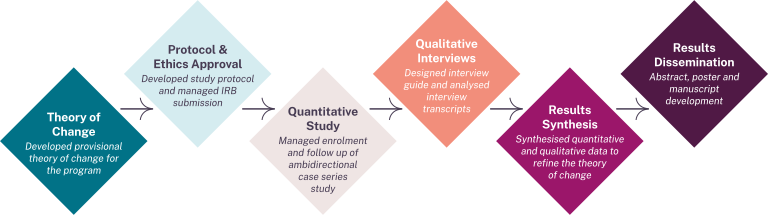
We expertly supported and trained study site staff throughout the data collection process and were responsible for the strategic design and analysis of both the quantitative data extracted from patient records and the qualitative interview design and analysis of transcripts received from the site. The quantitative and qualitative data were then synthesised, and the results were clearly articulated to refine the site’s program to improve both patient and staff experiences.
We have a wealth of experience collecting and analysing primary data, using a variety of mixed-methods, to answer bespoke research questions. To find out more about our research or to discuss a future collaboration, please get in touch.
Looking for something specific? Search our case studies here.
